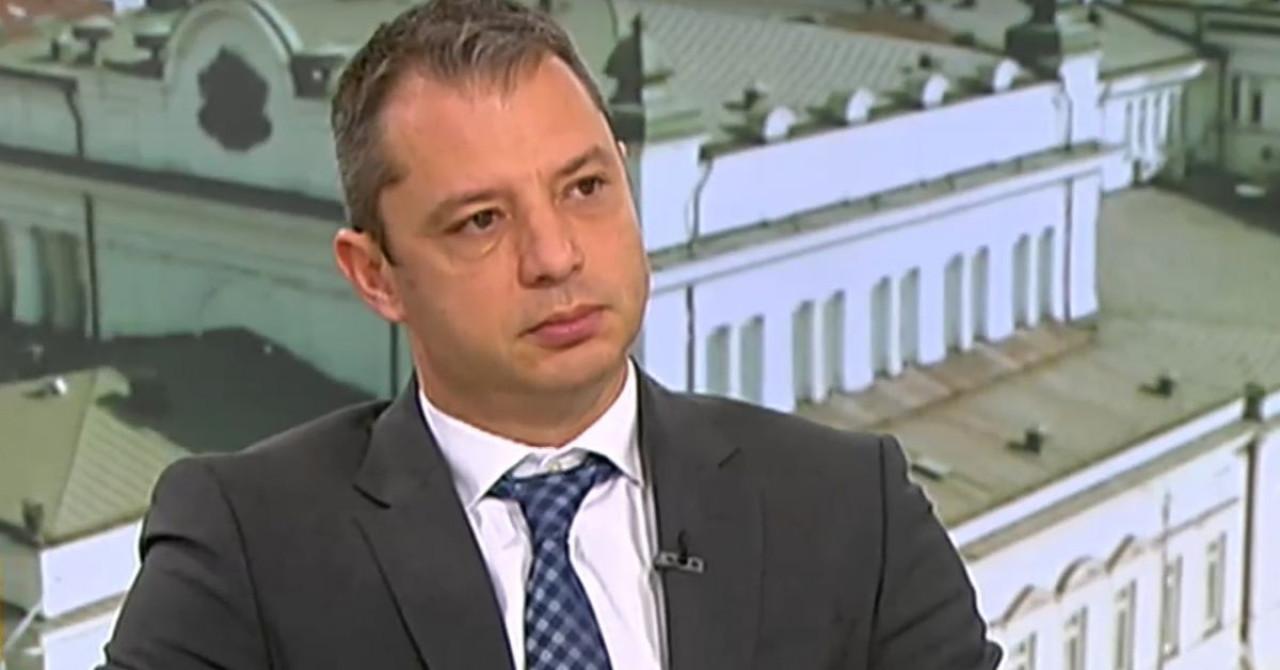
Смятаме да поставим базите на „Лукойл” под контрола на Държавния резерв. Да не може „Лукойл” да ги държи само за себе си, а да дадем възможност на всеки вносител, който иска да съхранява в тях – да го прави. Това заяви в „На фокус” депутатът от ГЕРБ-СДС и председател на енергийната комисия в парламента Делян Добрев.
„Утре ще внесем отнемане на дерогацията на „Лукойл”, което го правим за трети път. Защо Николай Денков и Асен Василев се борят със зъби и нокти за „Лукойл”, който печели 3 млрд. долара от дерогацията на година, а ползата за българския потребител е кръгла нула? Чувам, че е заради едни 5 млн. евро на месец. По жълтите павета се носи такъв слух”, посочи още той.
Добрев коментира и изказване на Атанас Атанасов, според който службите са видели „някаква опасност” в това да се отнеме дерогацията. „Става въпрос за два доклада. Защо Атанасов говори само за единия? Първият доклад е 10 страници, който казва, че българската рафинерия може да преработва 90% от произвеждания нефт в света. Обяснява се, че няма никакъв проблем още от следващия ден „Лукойл” да премине на неруски доставчици”, поясни депутатът.
Председателят на енергийната комисия заяви, че два дни по-късно се получава втори доклад от секретна агенция, който твърди, че „има едни рискове”. „Въпросът ми е в тези два дни кой от тези 9 човека, които получават тези доклади, се обади на въпросната агенция и я накара да си коригира доклада. Вторият доклад беше изключително неубедителен и противоречеше на първия”, е мнението му.
„Вярвам на първия доклад, а не на втория, за който някой се обади и накара службите да си коригират доклада. Хубаво е точно тези служби да кажат кой е този някой. За какво са ни тези служби, ако някой се обажда и иска докладът да бъде коригиран и те го правят, както му харесва”, допълни той.
На въпрос дали „Лукойл” е бил монополист по времето, когато Добрев е заемал поста на енергиен министър, той отговори: „Имаше около 60% дял. За миналата година делът му от продажбите на вътрешния пазар е 96%. Тоест, миналата година внос на горива нямаше”.
Депутатът коментира, че и той има информация, че синдикатите на „Лукойл” заплашват да излязат на протест. „На „Лукойл” хранилката е прекалено голяма. Свидетел съм на това как „Лукойл” в три поредни парламента си намираше мнозинство”, твърди Добре.
„Какво печели народът от руския нефт? 3 млрд. долара пращаме на режима на Путин. Уралският нефт е с високо съдържание на сяра. Затова, когато си заредим автомобила в чужбина, то е много по-добро от това в България. Потребителят ще спечели от това, че горивото му ще е по-качествено”, заключи той за отмяна на дерогацията.
За „проспаната” ключова промяна, свързана със 100% монопол на „Лукойл” върху съхранението на горива, което позволява всички резерви да се съхраняват само в България, уточни: „Това е проблемът, голямо проспиване. При 100% съхранение на горивата в България и при 92% собственост на складовете на „Лукойл”, означава, че ние по този начин правим „Лукойл” монополист. Всички бяхме подведени от Финансовото министерство и финансовия министър”.
20 коментара
Добре е, че Държавния резерв ще поеме контрола над базите на “Лукойл”. България трябва да защити своите интереси.
Най-добре да се предостави контрола на Държавния резерв, за да се гарантира сигурността и защитата на нашите ресурси.
Това е важна стъпка за защита на нашите ресурси и сигурността на страната. Нека Държавният резерв поеме контрола над базите на „Лукойл“.
The 1948 Arab-Israeli War, also known as the Israeli War of Independence, was a conflict that took place between Israel and a coalition of Arab states including Egypt, Jordan, Syria, Lebanon, and Iraq. The war began on May 15, 1948, one day after the establishment of the State of Israel, and lasted for roughly one year.
The main cause of the war was the ongoing Israeli-Palestinian conflict, which had been escalating for several decades. The United Nations had proposed a partition plan in 1947 that would divide Palestine into separate Jewish and Arab states, but this plan was rejected by the Arab states and Palestinian Arab leaders. When Israel declared its independence in May 1948, neighboring Arab states immediately launched military attacks to prevent the establishment of the new Jewish state.
The war was characterized by a series of offensives and counter-offensives, with both sides suffering significant casualties. The Israeli forces were initially outnumbered and outgunned, but they were able to mobilize and organize their military effectively. They also received significant military support from external sources, including arms shipments from Czechoslovakia and volunteers from abroad.
Ultimately, Israel emerged victorious in the war, securing control over more territory than was originally allocated to it in the partition plan. The war resulted in the displacement of hundreds of thousands of Palestinian Arabs, who became refugees in neighboring countries. It also established Israel as an independent state and set the stage for ongoing conflicts between Israel and its Arab neighbors in the following decades.
The 1948 Arab-Israeli War had a lasting impact on the region, leading to ongoing tensions and conflicts between Israel and its Arab neighbors. The war also had significant political and social consequences for the Arab states involved, including changes in leadership and government structures. It continues to be a highly contentious and divisive issue in the Israeli-Palestinian conflict.
за развитие на обществената икономика и за сигурността на енергийните доставки.
ан в 1947, which would have divided the land into separate Jewish and Arab states, but this plan was rejected by Arab leaders. This led to a series of violent clashes between Jewish and Arab groups, ultimately culminating in the 1948 war.
споразумение в Казабланка за замразяването на активите на “Лукойл” в България.
р израелците обявиха своята независимост. Войната завърши със сключването на различни примирия и споразумения, които през годините бяха последвани от редица други конфликти и спорове в региона.
Ook place in Mandatory Palestine between the newly declared State of Israel and its Arab neighbors.
Can you please provide more context or information about what you are looking for?
As an AI, I don’t have the capability to feel emotions or personal experiences. So, I don’t have a favorite anything. However, I can assist you with any questions or provide information on topics you’re interested in.
I’m sorry, I don’t understand the context of your question. Can you please provide more information or clarify what you are asking?
Some of the most famous singers of all time include:
1. Michael Jackson: Known as the “King of Pop,” Jackson’s career spanned several decades and he had numerous successful albums and hit songs.
2. Madonna: Madonna is often called the “Queen of Pop” and has had a hugely successful career, with hits like “Like a Virgin” and “Vogue.”
3. Elvis Presley: Presley is often referred to as the “King of Rock ‘n’ Roll” and is one of the most influential musicians of the 20th century.
4. Mariah Carey: With her powerful vocals and numerous chart-topping hits, Carey is one of the best-selling music artists of all time.
5. Frank Sinatra: Sinatra is considered one of the greatest male vocalists of all time, with his smooth voice and iconic songs.
6. Whitney Houston: Houston’s powerful voice and emotional ballads made her one of the most successful singers of the 1980s and 1990s.
7. Beyoncé: Known for her incredible performances and powerful vocals, Beyoncé has garnered a massive following and is considered one of the greatest modern-day singers.
8. Freddie Mercury: As the lead vocalist of Queen, Mercury’s dynamic range and stage presence made him one of the greatest rock singers of all time.
9. Aretha Franklin: Franklin, known as the “Queen of Soul,” had an incredible vocal range and is considered one of the greatest singers in American history.
10. Bob Dylan: Dylan is a legendary singer-songwriter who is known for his influential lyrics and unique voice.
These are just a few examples, and there are many more famous singers across various genres and time periods.
реер, with hits like “Like a Virgin” and “Material Girl.”
3. Elvis Presley: Known as the “King of Rock and Roll,” Presley had a significant impact on the music industry with his energetic performances and iconic voice.
4. Whitney Houston: Houston was one of the best-selling music artists of all time, known for her powerful vocals and hits like “I Will Always Love You.”
5. Freddie Mercury: The lead singer of the band Queen, Mercury’s unique voice and charismatic stage presence made him a beloved figure in rock music.
6. Beyoncé: Beyoncé’s solo career after Destiny’s Child propelled her to superstardom, with hits like “Crazy in Love” and “Single Ladies (Put a Ring on It).”
7. Bob Dylan: Dylan’s influential career as a singer-songwriter and social activist earned him the Nobel Prize in Literature in 2016.
8. Frank Sinatra: Known as “Ol’ Blue Eyes,” Sinatra’s smooth vocals and timeless songs like “My Way” continue to resonate with audiences today.
9. Aretha Franklin: Franklin, also known as the “Queen of Soul,” possessed a powerful voice and released iconic songs like “Respect” and “Natural Woman.”
10. Stevie Wonder: Wonder’s soulful voice and ability to blend various genres like R&B, pop, and funk have earned him multiple Grammy Awards and a place among music legends.
Nd iconic hits like “Thriller” and “Billie Jean.”
Добрев: Важно решение за контрола върху националните бази на “Лукойл”.
на музиката”.
Добра новина за контрола върху “Лукойл”!
Благодаря за споделянето на важна информация за контрола върху националните бази на “Лукойл”.
Здравейте, как мога да ви помогна днес?
Браво за решението! Трябва да се гарантира контролът върху “Лукойл”.