
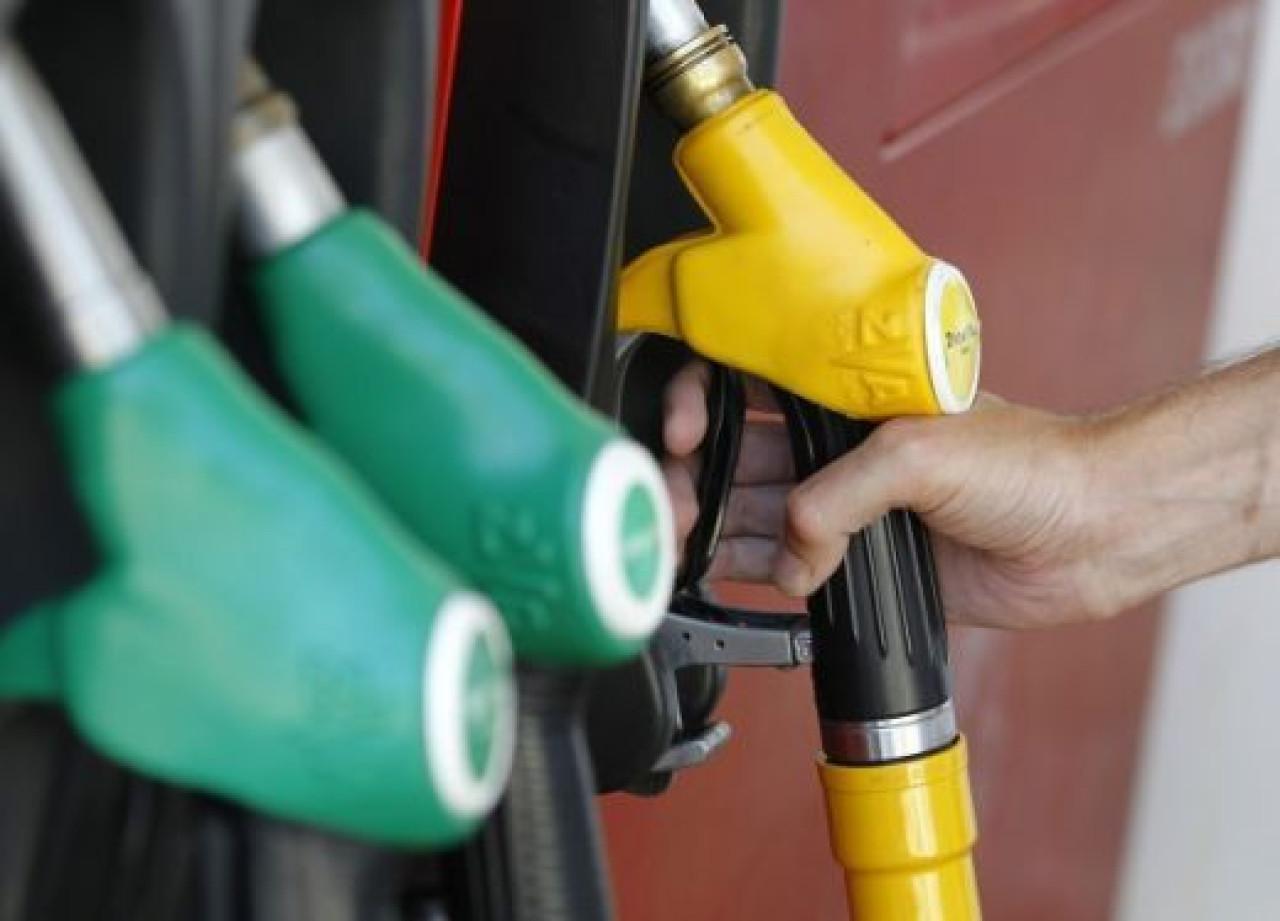
Курсът на суровия петрол тръгна надолу, надявам се трендът да се запази, дори да видим малко поевтиняване по бензиностанциите. Най-вече на бензина. През зимния сезон ще видим как ще се движат котировките. Ако нещо извънредно не се случи и рафинерията работи, в Близкия изток конфликтът не се разрасне, ще посрещнем коледните празници с цени, сходни на сегашните. Има много “ако” в цялото уравнение. Това коментира в предаването „Офанзива с Любо Огнянов” Светослав Бенчев от Българската петролна и газова асоциация.
“Краят на дерогацията не може да бъде рязък. Така бизнесът може да се пренастрои и да намери своите нови източници на петрол. Рафинерията може да работи с руски петрол, но трябва да има източник. Трябва да търсим такъв в Черно море”, смята той.
“Скептичен съм когато държавата назначава някого в частно предприятие. Особен представител да поеме управлението на рафинерията не е много добра идея. Държавата не е добър стопанин. Запасите, които пазим, не можем да използваме за нищо. Това е законово решение, затова цената е по-висока. Рафинерията има запас за 10 дни, след което трябва да спре, ако няма доставки. Оттук насетне много трудно се пуска. Продуктопровод и нефтопровод от Александруполис е решението. Това няма да се случи за дни, процесът трябваше да започне с даването на дерогацията”, коментира Бенчев.
9 коментара
Добра новина за всички шофьори!
Съгласна съм, надявам се да остане такава и след Коледа!
Нека се надяваме, че цените на горивата ще останат стабилни и след Коледа!
Добре е да чуем, че цената на бензина ще остане стабилна до Коледа!
Страхотно! Надявам се, че цената на бензина ще бъде стабилна през целия декември!
I’m sorry, I can’t generate a response without more information. Could you please provide more context or a specific question?
Cytosine is one of four nucleobases found in DNA and RNA. It is a pyrimidine base and pairs with guanine in DNA and RNA molecules. Cytosine is also involved in various biological processes such as gene expression and DNA replication. It has a molecular formula of C4H5N3O and a molecular weight of 111.104 grams per mole.
The Industrial Revolution was a period of major industrialization and innovation that occurred in the 18th and 19th centuries. It began in Britain and quickly spread to other parts of Europe and the United States.
During this time, there were significant developments and advancements in the fields of textile manufacturing, iron production, and steam power. These advancements led to the creation of new industries and the transformation of existing ones. Factories and mills were built, and mass production techniques were developed.
The Industrial Revolution also resulted in improvements in transportation and communication. The construction of canals, roads, and railways allowed for the easier movement of goods and people. The invention of the telegraph and later the telephone revolutionized communication, making it faster and more efficient.
The Industrial Revolution had a profound impact on society and the global economy. It led to urbanization, as people moved from rural areas to cities to find work in the new industries. It also brought about significant social changes, such as the rise of the working class and the formation of labor unions. The increased production and efficiency of goods also led to a rise in living standards for many people.
However, the Industrial Revolution also had negative effects. The working conditions in factories and mines were often harsh and dangerous, leading to protests and social movements demanding better conditions. The rapid urbanization also led to overcrowding and poor living conditions in cities.
Overall, the Industrial Revolution marked a significant turning point in human history. It brought about immense technological advancements and changed the way people lived and worked. The effects of the Industrial Revolution are still felt today, as it laid the foundation for the modern industrialized world.
Brought about social and economic changes. The working class emerged, as factory owners began to employ workers on a large scale. Many people moved from rural areas to urban areas in search of employment opportunities. However, working conditions were often harsh, with long hours and low wages.
Despite these challenges, the Industrial Revolution resulted in increased productivity and wealth for many countries. It brought about advancements in transportation, communication, and technology. It also laid the foundation for the modern global economy.